Stabilizing Female Hormones (AAI Smoothie Healing Series)
Female hormones are a delicate art that a true professional must orchestrate, and, introspectively, perhaps considering someone with adequate experience isn’t a bad idea either. A woman’s body is more delicate in the fact that there are additional main hormones to attune, which also happen to interact with each other.
Though, as humans (male or female), our endocrine system secretes over 30 different hormones depending on the body’s need, the fact of the matter is each sex has mainly regarded sex hormones that are focused on when the characterization of hormonal depletion is commonly discussed.
 Often, women undergoing hormone replacement treatment must return to their prescribing physicians several times to adjust their protocol. It must be tweaked a few times until each hormone’s exact and correct amount is balanced adequately and cohesively.
  Yes, there are options like what we do here at AAI Rejuvenation Clinic, where you can obtain a prescription for bio-identical hormones. Still, before anyone jumps into Testosterone Injections Therapy, Estrogen, progesterone, DHA, an hGH therapy, or any other hormone replacement therapy, they should attempt to increase their endocrine production naturally. Once you start participating in hormone therapy, your body’s endocrine system has to work less since you’re doing all the work.
You only want to get to that point once your body can no longer produce ample amounts on its own. This happens to women generally around the age of 35. We can’t stress enough, though, especially for women: naturally balancing your hormone can be much more satisfying and more quickly effective if it’s one’s own body that we are assisting in functioning optimally in secreting hormones in adequate amounts when necessary.
When you stimulate your body to secrete its own hormone instead of introducing it from external sources, your entire endocrine system works in unison. It all functions symbiotically and maximizes the overall sensations of well-being.
The Endocrine System: 101
Before we get into the art of stabilizing female hormones through smoothies, it’s important to understand the endocrine system. The endocrine system is made up of a collection of glands. These include the hypothalamus, pituitary, thyroid and adrenal glands, and pancreas. Several tissues of the other organ systems also contain hormone-secreting glands and function as part of the endocrine system.
These include the following:
- stomach
- liver
- heart
- bone marrow
- adipose (fat) tissue
- testicles
- ovaries
- skin
The Problem with Problems of the Endocrine System
The effects of hormone disruption in the body can range from bothersome to deadly. You can understand why, as women, the discussion of stabilizing female hormones must be put at the forefront.
While hormonal changes can result from birth or genetic defects, others can be caused by:
- age
- stress
- injury
- infection
- illness
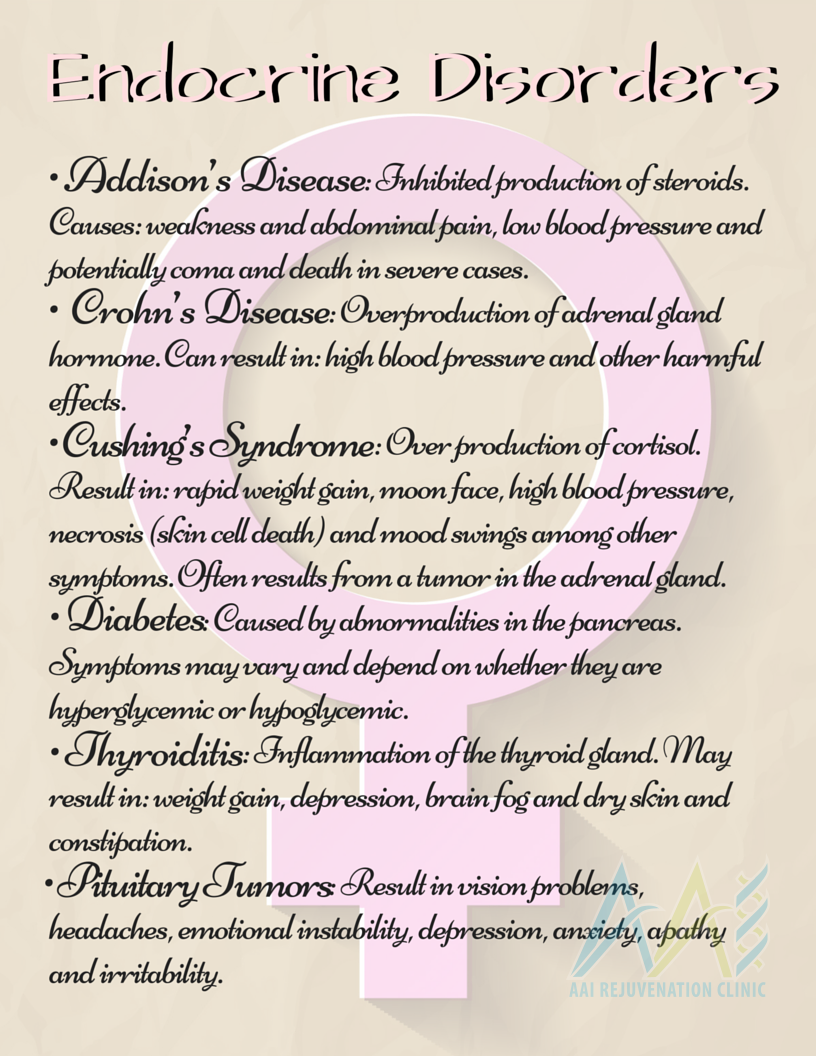
Endocrine Disorders
Any overproduction, underproduction, or shift in the balance of hormone levels can interfere with normal physical function. Issues in the endocrine glands are often responsible for hormonal imbalances, and because hormones work along with other body systems, endocrine disorders often surface in other organs.
On the other hand, hormonal problems can also be a symptom of non-endocrine diseases. You can understand why it’s so important to check your hormones to ensure they are where they should be. Stabilizing female hormones is more than just about looking good or feeling great. It has to do with your whole quality of life.
Common Women’s Imbalanced Hormone Conditions
PMS | It’s believed that hormonal changes one month before a woman’s menstruation period cause premenstrual syndrome. There is a period of peeking and valley for estrogen and progesterone levels while this cycle continues. Generally, the bike is as follows:
First Two Weeks of Menstrual Cycle: Estrogen levels peak and then drop.
Last Two Weeks of Menstrual Cycle: Progesterone levels spike and then fall.
These roller-coaster peaks and dips in hormonal activity interfere with signals in the brain and cause:
- Moodiness
- Irritability
- Food cravings
- Anxiety
- Insomnia
… among other symptoms. However, keep in mind that these symptoms should be minor. If they are not and you have any extreme variations of any of the mentioned symptoms, they are most likely a reflection of a more abnormal hormone imbalance.
Infertility | While there are many factors involved in a woman’s ability to conceive, imbalances in their hormone levels are often the culprit. This is another area where stabilizing female hormones is of paramount importance. See, menstrual regularity is impacted negatively by asymmetrical hormone patterns. This can eradicate a woman’s ability to become pregnant. Another strong fact is relative to low progesterone levels during pregnancy, which can lead to a miscarriage.
Menopause | Menopause is a natural reproductive progression that marks the end of a woman’s fertile years. The ovaries slow their production of estrogen, progesterone, and testosterone as they age, Which limits a woman’s ability to conceive a child. Menopause occurs when the ovaries stop producing hormones, ending the menstrual cycle.
While estrogen, progesterone, and testosterone have a direct effect on the reproductive organs, they also affect other regions of the body, including:
- The brain,
- Skin,
- Digestive system
- Immune system
When a woman’s production of these hormones slows and halts, she may suffer mood swings, depression, hot flashes, fatigue, poor circulation, and bone loss. Now, by stabilizing female hormones early on and maintaining healthy levels, a woman can lessen the side effects of menopause or keep them at bay. 
Best Nutriment for women
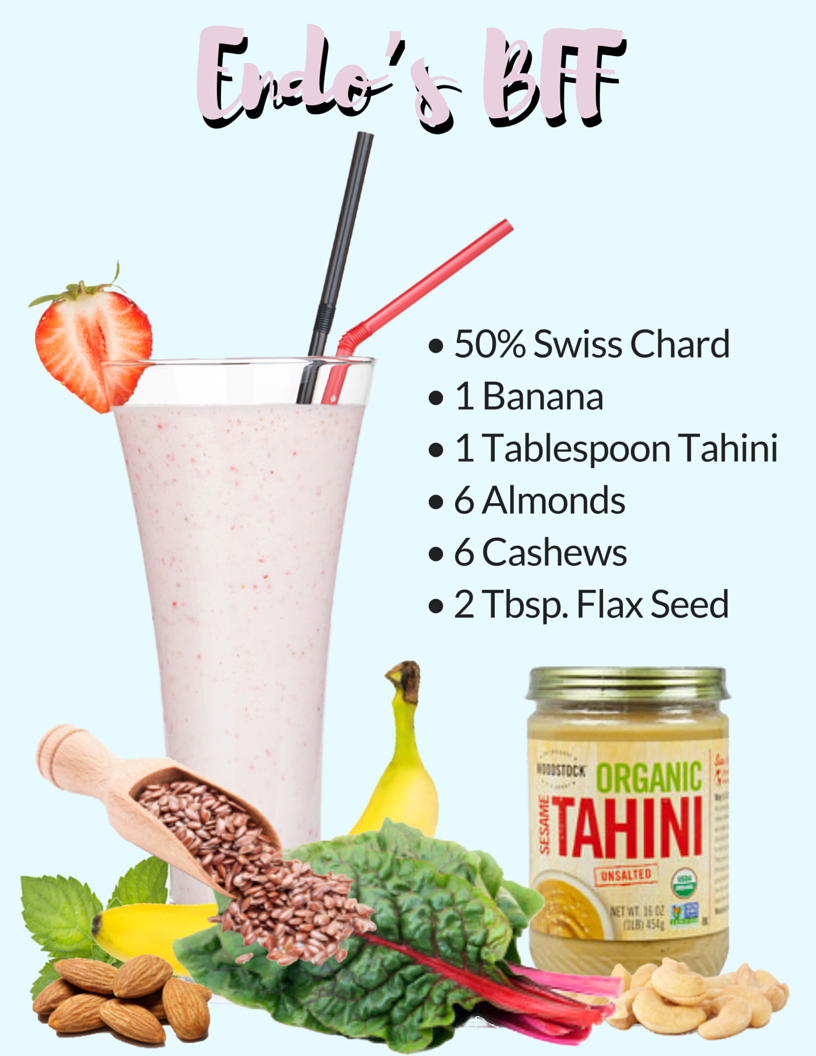
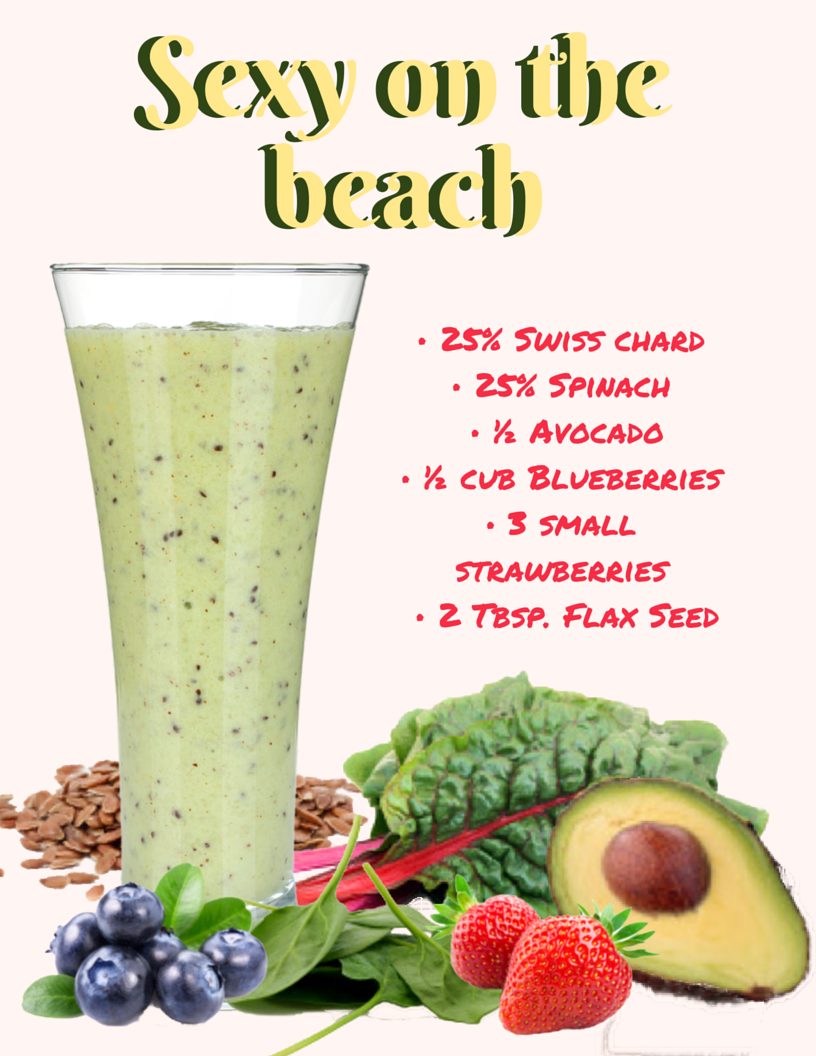
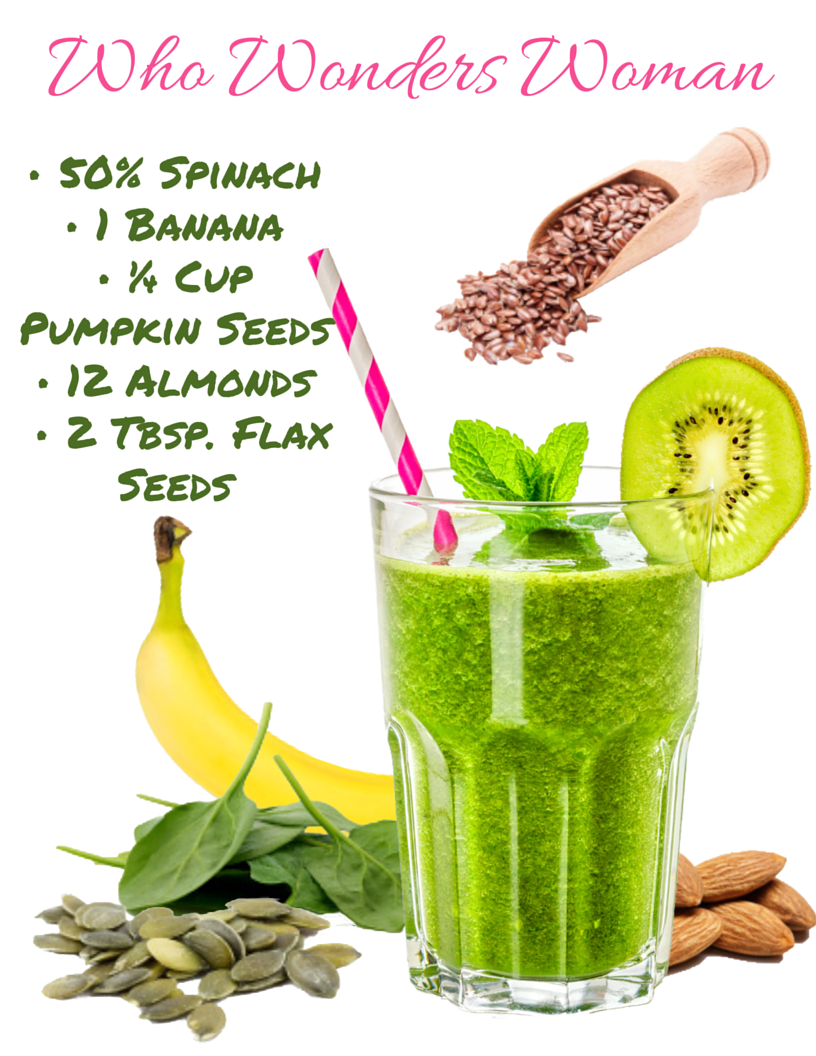
Swiss Chard and spinach, pumpkin seeds, cashews, and almonds |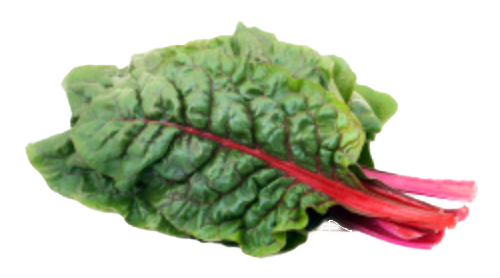 These foods all contain high levels of magnesium, which can boost dopamine production in the brain and help the body process estrogen. Women experiencing premenstrual or menopausal mood swings are often magnesium deficient, so eating a diet right in these foods helps to balance moods and relieve cramps and bloating.
Non-rBGH/rBST* plain Greek yogurt, tahini (Sesame seed paste), spinach | All of these foods are high in calcium, which has been shown to prevent PMS symptoms and reduce the risk of developing osteoporosis in a menopausal woman. The dips in estrogen that occur with menopause drain calcium reserves in the body, so it is crucial that menopausal women take in enough of this mineral to avoid issues with their skeletal system.
Beans | Low in fat, beans are a good source of protein and fiber and may have protective effects against heart disease and breast cancer. Beans may also play a role in stabilizing female hormones, says nutritionist Susan Krause, MS, RD
Berries (blueberries, strawberries, raspberries, cranberries) |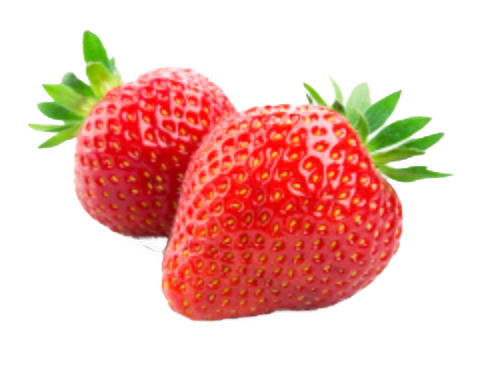 Like wine works, these fruits may protect your body with powerful anti-cancer nutrients known as anthocyanins, which are believed to play a role in cell repair.
Hormone balancing healthy fats | Coconut oil: contains lauric acid, which is incredibly healing to the skin and extremely beneficial for hormonal production
Avocados: These are packed with very healthy fats. These are important because they help you absorb and use nutrients efficiently. They contain potassium, E, fiber B vitamins, magnesium, and Folic acid. All of these are essential for maintaining a healthy hormone balance.
Raw butter/ghee: a rich source of fat-soluble vitamins A, D, E, and K2. These nutrients are key building blocks for hormonal production.
Egg yolks: Rich in several vitamins and minerals, including D, A, E, B2, B9, B6, iron, phosphorous, calcium, potassium, and choline. These help with a healthy reproductive system, hormonal balance, and even healthy skin. The choline and iodine in egg yolks are also essential for making healthy thyroid hormones.
Nuts and seeds: Soaked nuts and seeds, fermented cod liver oil, olives and olive oil, flaxseed oil, hemp seed oil, and raw cultured dairy products.
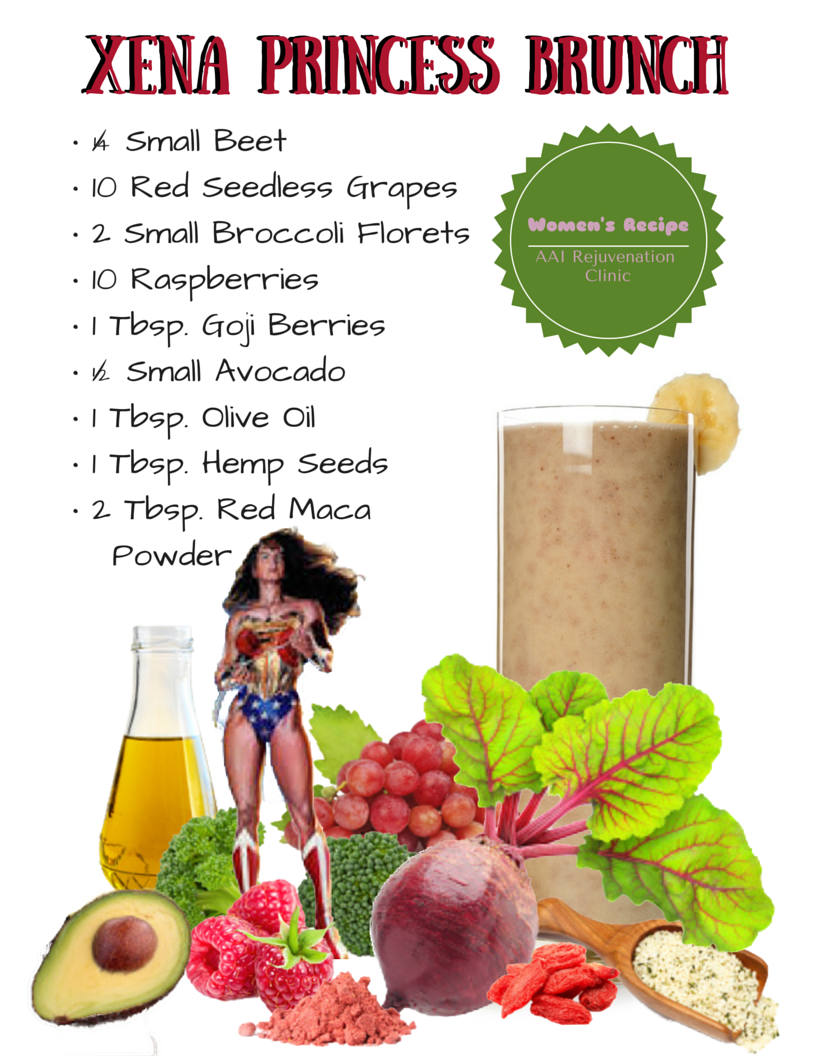
Broccoli | Broccoli and other cruciferous vegetables like cauliflower, Brussels sprouts, kale, and cabbage, contain high amounts of 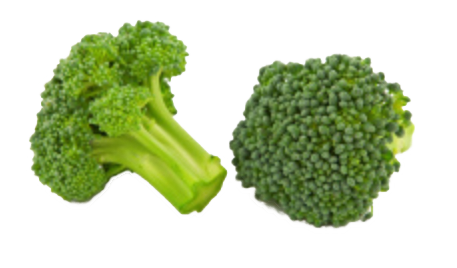 phytonutrients called isothiocyanates, including indole-3-carbinol, which helps break down a harmful and potent estrogen metabolite that promotes tumor growth, especially in estrogen-sensitive breast cells. In 2008, researchers at the University of California–Berkeley showed that indole-3-carbinol halts the development of breast cancer cells and may also offer protection against the spread of cancer.
Flaxseed
| Flaxseeds are full of lignans, which are phytoestrogens compounds that studies have been proven to help protect us against certain kinds of cancers, especially: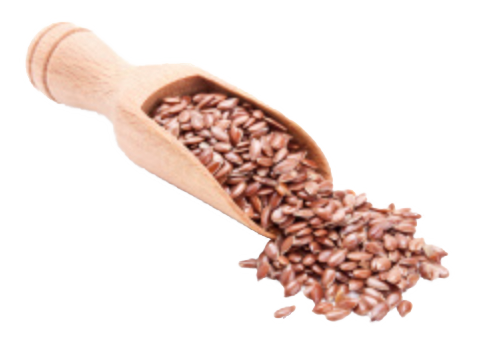
- Breast
- Prostate
- Colon
Red Wine | The antioxidant polyphenols, which can be found in the skins and seeds of grapes, aid with heart health, inhibit inflammation, 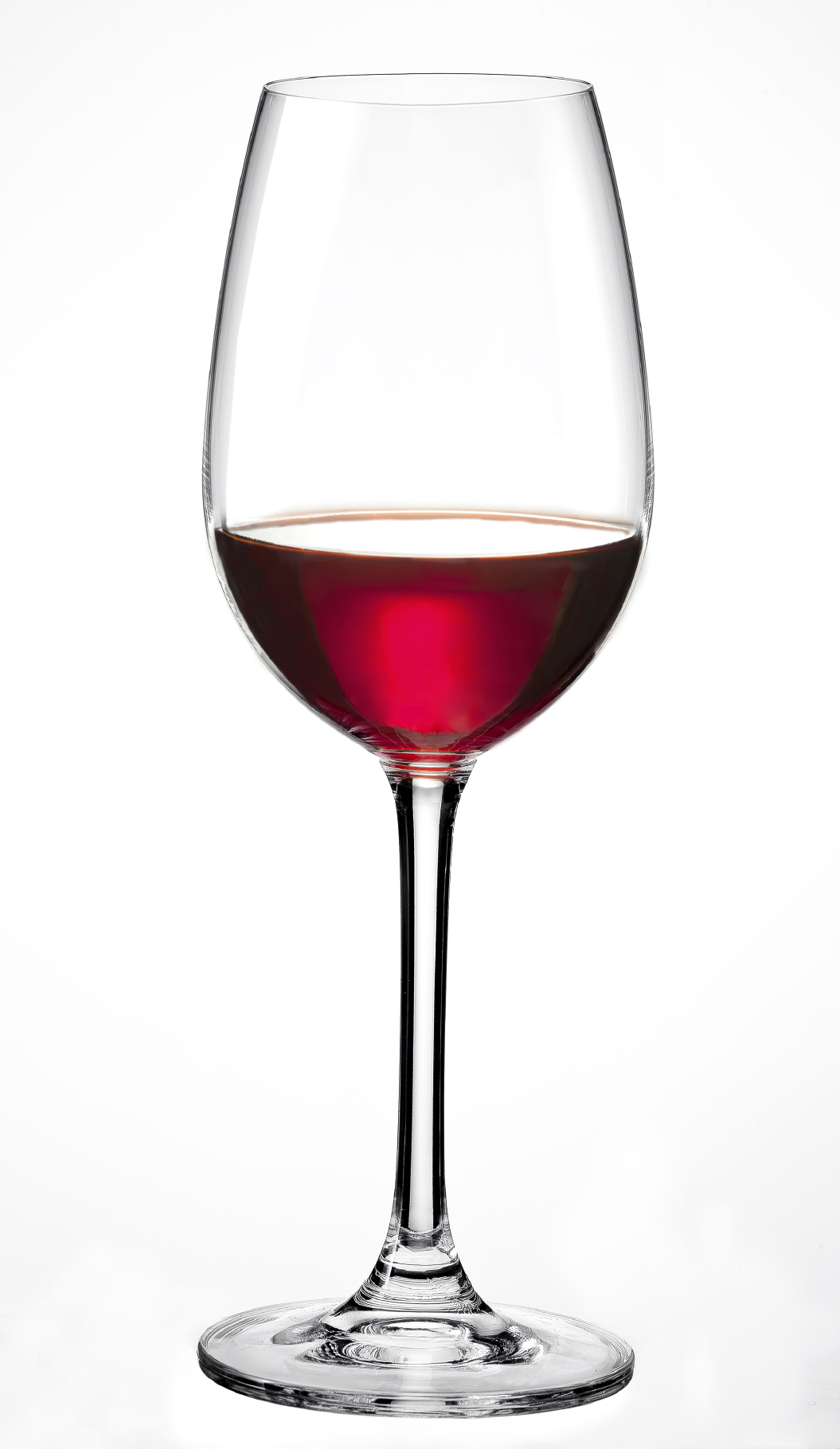 and help prevent the development of many types of cancers. The main phenols that display these characteristics are catechins and resveratrol. Below is a list of compiled smoothie recipes organized to carry the exact nutrients and vitamins that help women achieve hormonal balance.
Please contact us with any questions or comments related to today’s post. If you are interested in participating in hormone therapy or having your hormone levels evaluated, please fill out our Medical history form or call us directly by dialing:
**NOTE** The content in this blog is subject to interpretation and is the opinion of the content writer. We do not claim it to be fact. We encourage you to consult a medical doctor before taking any prescribed medications or supplements.
Conclusion
Supporting Hormones health is essential for overall well-being and vitality. By incorporating regular exercise, proper nutrition, adequate sleep, stress management techniques, and IV therapy, you can help maintain optimal testosterone levels and lead a healthy, balanced life. Always consult a healthcare professional before making significant changes to your lifestyle or starting any new treatments to ensure they suit your needs.
At AAI Rejuvenation Clinic, we advise anyone to think seriously about beginning Hormone treatment if there is no medical need for it. However, we will take every precaution to ensure that you read your program’s positive benefits by providing the latest at-home hormonal mouth-swab testing to ensure we are continually monitoring your progress and aware of any adverse side effects. Fill out the Medical History Form, or if you need more information, call us at (866) 224-5698 or (866) AAI-Low-T.
Low Hormone Symptoms
- Motivation
- Sex Drive and Desire
- Depression
- Fatigue
- Erectile Dysfunction
- Cholesterol
- Low Energy
- Memory Loss
- Osteoporosis
- Wounds & Illness
- Muscle Mass
- Sleep Disturbances
- Thyroid Dysfunction
- Weight Gain